Collaborations

Strategic Plan Unveiling

The founders of the Feminist Research Institute created a brilliant vision with immense possibility. We are making good on their vision. We have something solid we can stand on that shows people what we are about. 

What We Do Now

I was lucky that when I woke up on November 6, I caught a live stream by Alexis Pauline Gumbs. I recommend watching the entire stream. Gumbs reflected on how during the first 100 days in office, a new president often engages in a display of power by pardoning people, passing laws, implementing new practices, and selecting appointees.. We can do our own version of this too.


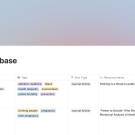
Feminist Health Justice Collective Database

The concept of health brings up images of doctor visits at a clinic, eating balanced meals, or exercising at the gym. Feminism is not just theory, but practice, that centers on care and well-being of everyone, including health. The Feminist Health Justice Collective wanted to expand the idea of health, focusing on open education as empowerment for anyone to access. The team, consisting of faculty and students, built an online database from scratch. 

Rising Voices in Environmental Justice Leadership

Shining Bright: EJ Leaders for Today and Tomorrow | October 6, 2023

The faces highlighted by the environmental movement have not always represented the wide diversity of leaders within the field. This dearth in representation must be reckoned with if we are to address the crises of a changing climate. Environmental justice offers a path to change in how we shape the future and who is represented and working in environmental spaces.

Performative vs. Authentic Equity Work

Transportation equity is a priority for agencies across California. This policy brief, conducted by FRI Associate Director Sarah McCullough and C. Sequoia Erasmus, highlights the importance of distinguishing between performative and authentic equity work. Performative equity refers to actions, words, or gestures that claim to do equity work, but in practice do not improve matters for those historically oppressed, and in turn, reinforces root systems of dominance and status quo.

Five Steps to Supporting a Better Research Culture

Background

The mission of the Feminist Research Institute (FRI) is to shift research cultures to enable more impactful and accurate knowledge. Key to this mission is the creation of equitable research cultures that empower faculty, staff and student researchers to thrive and make vital contributions to knowledge ecosystems.

Asking Different Questions Working Group Invites New Participants

Are you interested in integrating a commitment to justice into your research? Join FRI for Asking Different Questions (ADQ). This project takes on the challenge of changing research cultures to create more equitable and accurate knowledge. We are doing this by creating and pilot testing discussion-based curriculum designed to train graduate students in how to locate their research questions within larger societal context, identify historical bias, and address questions of those traditionally under-served.

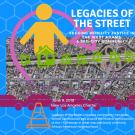
FRI Receives Grant Award from California Humanities

California Humanities has recently announced the 2017 Humanities For All Quick Grant awards. The Feminist Research Institute at UC Davis has been awarded $5,000 for its project entitled “Legacies of the Street: Seeking Transportation Justice.”